
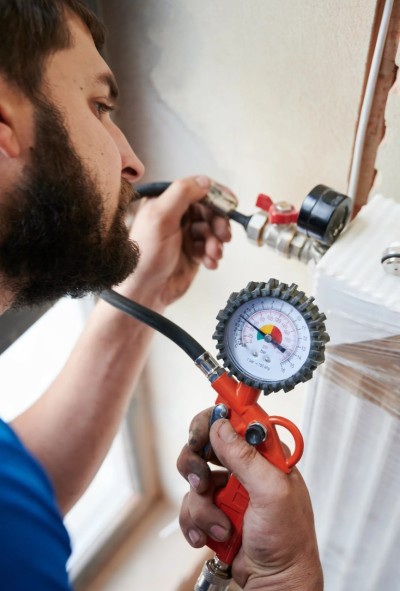
Gas is a reliable and efficient energy source that powers many modern homes and businesses. From heating systems and water heaters to stoves and fireplaces, natural gas plays a vital role in daily comfort. However, while natural gas is incredibly useful, it can also be hazardous if it escapes from your system in an uncontrolled way. That’s where gas leak repair becomes not just a service—but a critical safety measure.
In this comprehensive guide, we’ll explain what gas leak repair involves, how to recognize the signs of a gas leak, why professional intervention matters, and what you should do if you suspect a leak. We’ll also answer common questions homeowners and business owners often ask.
What Is Gas Leak Repair?
Gas leak repair refers to the process of identifying, locating, and fixing leaks in a natural gas system, whether it’s in your home or commercial property. These leaks can occur in gas lines, appliance connections, regulators, valves, or anywhere gas is transported or used in your structure.
The goal of gas leak repair isn’t just to stop gas from escaping—it’s to do so in a way that restores safety, ensures compliance with local building codes, and provides peace of mind that your system will operate reliably moving forward.
Why Gas Leaks Are Dangerous
A gas leak isn’t something to take lightly. Escaping natural gas can pose several serious risks:
-
Fire and Explosion Hazard: Natural gas is highly flammable, and even a small spark can ignite gas that has accumulated in an enclosed space.
-
Health Risks: Breathing natural gas can lead to symptoms like headaches, nausea, dizziness, and over time, more severe respiratory issues. Incomplete combustion can also produce carbon monoxide, a toxic gas that can be fatal.
-
Property Damage: Gas leaks, if left untreated, can damage walls, floors, and infrastructure, and even lead to costly destruction from explosion or fire. Early detection and repair significantly lower these risks.
Common Causes of Gas Leaks
Gas leaks can originate from various issues. Some of the frequently encountered causes include:
-
Faulty Fittings and Connections: Loose or improperly sealed joints can allow gas to escape.
-
Corroded or Damaged Pipes: Aging gas lines exposed to moisture or physical stress can weaken over time.
-
Wear on Appliance Components: Regulators, valves, and seals on gas-powered appliances can fail, leading to leaks.
-
Poor Installation or Maintenance: Incorrect installation or lack of regular inspection can create conditions for leakage.
Understanding these causes can help you be more proactive about inspections and maintenance.
Signs You Might Have a Gas Leak
Detecting a gas leak early makes all the difference. The common warning signs include:
-
Strong Rotten Egg Odor: Natural gas is added with a harmless sulfur-like smell to make leaks easier to detect.
-
Hissing or Whistling Noises: This can indicate gas escaping under pressure.
-
Dead or Discolored Vegetation Near Lines: Gas escaping underground can suffocate plant roots.
-
Unexpectedly High Gas Bills: Hidden leaks can waste gas and cost you money before you even know there’s a problem.
-
Physical Symptoms: Dizziness, headaches, nausea, or fatigue in enclosed spaces can be early indicators of lower-level exposure.
Always treat these signs seriously and act quickly.
The Gas Leak Repair Process: What to Expect
When you call a professional gas leak repair service, such as the team at Halton Heating & Gas Services – Gas Leak Detection & Repair Services, they follow a systematic approach designed to keep you safe:
1. Comprehensive Inspection & Detection
Technicians use specialized tools—such as electronic sniffers, pressure gauges, and bubble testing solutions—to locate even hidden leaks.
2. Immediate Leak Containment
Once a leak is identified, steps are taken right away to stop gas flow and secure the area.
3. Repair and Replacement
Depending on the cause, the repair may involve tightening fittings, replacing damaged sections of pipe, or servicing appliance connections. Advanced equipment and parts are brought on site to reduce downtime.
4. Testing & Safety Confirmation
After repairs are completed, systems are rigorously tested to confirm there are no further leaks and that the system is safe to use.
Why You Should Never Attempt DIY Gas Leak Repair
It might be tempting to try fixing a leak yourself, but this is extremely risky. Gas systems are highly pressurized and hazardous, and improper repairs can worsen leaks, violate building codes, and even void your insurance.
Only licensed technicians have the training, tools, and certification to handle gas repairs safely.
Preventing Future Gas Leaks
While no method can guarantee zero leaks, you can reduce the likelihood and impact by:
-
Scheduling annual professional gas system inspections.
-
Replacing old or corroded lines proactively.
-
Avoiding unqualified installation or modifications.
-
Installing gas and carbon monoxide detectors indoors.
Routine maintenance and vigilance help you stay ahead of problems.
Gas Leak Repair: Frequently Asked Questions
What should I do if I suspect a gas leak?
If you smell gas or notice other warning signs, evacuate your home immediately, avoid using electronic devices or switches, and contact emergency services or your gas provider right away. Once safe, hire a licensed gas leak repair specialist.
Can gas leak repair be done at any time?
Yes. Reputable professionals offer emergency service 24/7, because gas leaks can happen at any hour.
How long does gas leak repair take?
Repair time varies by the severity and location of the leak. Many repairs take just a few hours; more complex issues might require longer.
Will my gas service need to be turned off?
Often, gas supply will be shut off during repair to ensure safety. Technicians coordinate with you and your gas provider to minimize interruption.
Is gas leak repair expensive?
Costs depend on factors like leak location, accessibility, and whether replacement parts are needed. However, prompt repair prevents bigger risks and higher costs later.
Can I stay in my home during repair?
During active detection and repair—especially if gas is present—professionals generally recommend evacuation for safety. Once repairs and safety tests are complete, you can return.
Final Thoughts
Gas leak repair is about more than fixing a pipe—it’s about protecting lives, preserving property, and restoring peace of mind. Recognizing the signs early, understanding the causes, and acting fast by contacting professionals ensures you address the issue safely and effectively.
If you believe you have a gas leak, don’t wait—reach out to certified technicians immediately to assess, repair, and secure your home or commercial property.
.
.
.
.
.
.
For more information : https://trendwavedaily.com/