
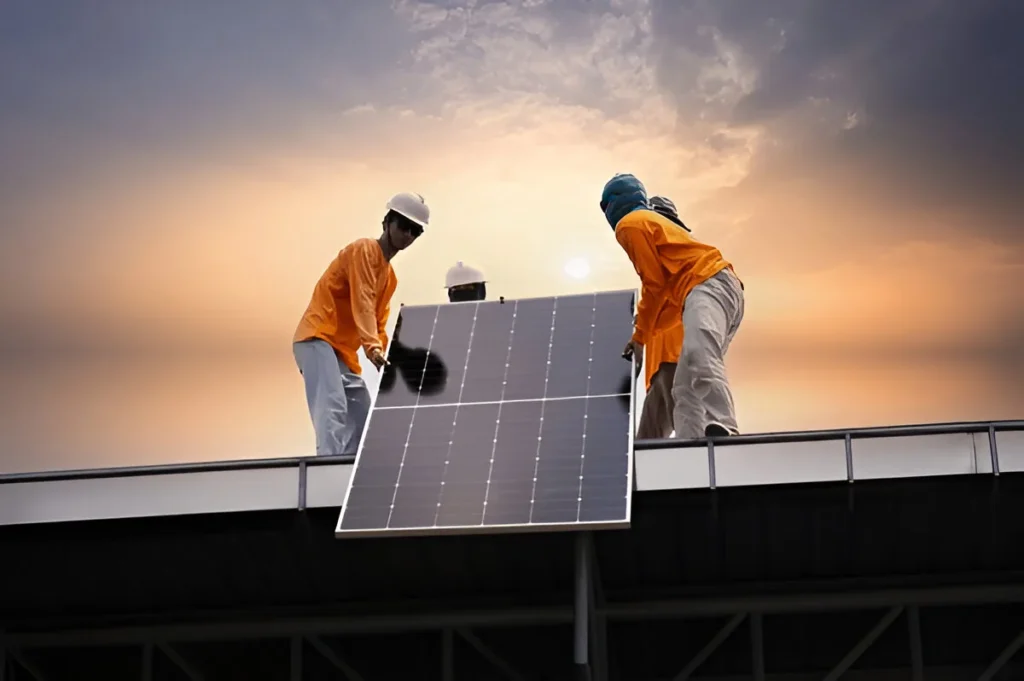
Perth is well suited to renewable energy because of its strong solar resource and generally sunny climate. For homeowners and businesses looking for a practical way to manage electricity expenses, solar power in Perth has become an increasingly attractive option. Solar panels capture sunlight and convert it into electricity that can be used to operate everyday appliances, lighting, cooling systems and other equipment. Western Australia has experienced strong rooftop solar adoption, with around 41% of homes in the main electricity grid already having rooftop solar according to the Western Australian Government.
One of the main reasons people consider solar power in Perth is the opportunity to produce electricity at the property where it is consumed. Instead of relying entirely on electricity from the grid, households can generate a portion of their daily energy requirements from sunlight. The amount of electricity produced depends on factors such as system size, panel orientation, roof angle, shading, weather and seasonal conditions. Government energy information indicates that Perth can average around 4.4 kWh of electricity generation per day for each 1 kW of installed solar capacity over a year, although actual production varies throughout the seasons.
A typical solar system includes several important components that work together. Solar panels generate direct-current electricity, while an inverter converts that electricity into alternating current suitable for household use. A battery can also be added to store surplus electricity for later use, particularly during the evening when solar generation has stopped. Choosing the right combination depends on household electricity consumption, available roof space, daytime energy usage and future plans. For example, a household that regularly operates air conditioning, pool equipment or other high-energy appliances during daylight hours may be able to use a significant portion of its solar generation directly.
Another advantage of solar power in Perth is the potential to improve household energy independence. Producing electricity locally can reduce the amount of power a property needs to purchase from the electricity network. A battery system can extend this benefit by storing excess daytime generation and making it available when solar production is lower. Western Australia has also introduced policies and programs supporting greater use of batteries and distributed energy resources. The state's current energy framework is increasingly focused on integrating rooftop solar, batteries, electric vehicles and other technologies into a more flexible electricity system.
When planning solar power in Perth, homeowners should look beyond the initial purchase price. The quality of the panels, inverter performance, system design, installation standards, warranty conditions and expected electricity consumption can all influence long-term value. Roof condition and shading should also be assessed before installation because nearby trees, buildings or other obstructions can reduce solar production. A properly designed system should match the property's energy requirements rather than simply selecting the largest possible capacity. Comparing several system options can help property owners understand expected generation and choose equipment appropriate for their circumstances.
Seasonal changes are another important consideration. Perth generally receives substantially stronger solar generation during the sunnier months, while winter production can be lower because of shorter daylight hours and increased cloud cover. This means energy planning should consider the entire year rather than relying on summer performance alone. Solar power in Perth can still generate useful electricity during cloudy conditions because panels can respond to diffuse sunlight, although output is generally lower than on clear days.
The environmental benefits also make solar an appealing choice. Solar electricity does not require fuel combustion during generation, helping reduce reliance on conventional fossil-fuel generation. Western Australia has identified abundant solar and wind resources as important parts of its transition toward cleaner energy. As more households adopt renewable technologies, rooftop systems can contribute to a broader shift toward a more distributed electricity network.
Current regulations are also important for anyone considering a new or upgraded system. From 1 May 2026, Western Australia introduced new requirements for many rooftop solar and battery installations in the South West Interconnected System. These include requirements relating to inverter capacity, remote disconnection and reconnection or export limitation, and compliance with the relevant Australian and New Zealand inverter standard. Anyone planning a new installation should therefore ensure the system and installer meet the requirements applicable to the property.
For many households, solar power in Perth represents more than simply installing panels on a roof. It can be part of a broader energy strategy that combines efficient appliances, sensible electricity use, solar generation and battery storage. Monitoring household consumption can help identify when electricity is being used and how much solar energy is being consumed directly. Using high-energy appliances during periods of strong solar production can improve self-consumption and make better use of the electricity generated on site.
In conclusion, Perth's strong solar resource makes renewable electricity a practical consideration for many homes and businesses. With thoughtful system sizing, suitable equipment, professional installation and awareness of current requirements, solar can support lower grid dependence and more sustainable energy use. As battery technology and distributed energy solutions continue developing, solar power in Perth is likely to remain an important part of Western Australia's changing energy landscape.