
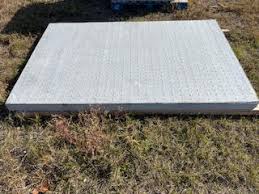
Modern buildings and infrastructure depend on safe and reliable electrical systems. We use electricity every day in homes, offices, hospitals, schools, factories, and shopping centers. Most large projects place electrical cables underground to improve safety and appearance. To manage and protect these underground cables, contractors use an important structure called a concrete pull box.
A concrete pull box plays a key role in underground electrical systems. It allows electricians to pull, connect, inspect, and maintain cables safely. In this blog, we will explain everything about a concrete pull box in easy and simple English. We will discuss what it is, how it works, its benefits, types, materials, installation process, design considerations, and why it is important for modern construction projects.
What Is a Concrete Pull Box?
A concrete pull box is a strong underground enclosure made from reinforced concrete. Contractors install it between sections of underground electrical conduits. It provides access to electrical cables for pulling, splicing, and maintenance.
When electricians install underground cables, they run them through conduits (pipes). If the conduit run is very long, it becomes difficult to pull cables in one continuous stretch. A concrete pull box solves this problem by giving workers a midpoint access location.
In simple words, a concrete pull box is an access point inside an underground electrical system.
Why Do Contractors Use a Concrete Pull Box?
Underground electrical systems can run long distances across large properties. Without access points, workers would struggle to pull cables or repair damaged wires. Digging up the entire trench for maintenance would cost time and money.
A concrete pull box makes work easier and safer. Contractors use it because it:
-
Makes cable pulling easier
-
Protects electrical connections
-
Provides safe maintenance access
-
Reduces future excavation
-
Improves cable organization
It also protects cables from soil pressure, moisture, and heavy loads from vehicles.
How Does a Concrete Pull Box Work?
A concrete pull box connects two or more underground conduits. Electricians pull cables through one conduit until they reach the pull box. Inside the box, they adjust the cable and guide it into the next conduit.
The box provides space for:
-
Bending cables safely
-
Splicing wires
-
Redirecting cables
-
Inspecting connections
After completing the work, technicians close the pull box with a heavy lid. The lid protects the inside from dirt, water, and damage.
When future maintenance is needed, workers simply open the lid instead of digging up the entire cable route.
Main Parts of a Concrete Pull Box
A concrete pull box has several important parts. Each part plays a role in strength and performance.
1. Reinforced Concrete Body
The main structure consists of reinforced concrete. Steel reinforcement bars inside the concrete increase strength and durability. This design helps the box handle soil pressure and traffic loads.
2. Conduit Openings
The sides of the pull box have openings for conduits. These openings allow cables to enter and exit the box.
3. Lid or Cover
The lid sits on top of the box. It can be made of:
-
Concrete
-
Cast iron
-
Steel
-
Composite materials
Traffic-rated lids support heavy vehicles in roads and parking lots.
4. Interior Working Space
The inside of the pull box provides enough space for proper cable bending. Electrical codes require minimum bending space to prevent cable damage.
Types of Concrete Pull Boxes
Contractors choose different types of concrete pull boxes based on project needs.
1. Precast Concrete Pull Box
Manufacturers produce these boxes in factories under controlled conditions. Workers deliver them ready to install. Precast boxes offer consistent quality and faster installation.
2. Cast-in-Place Pull Box
Workers build this type directly at the job site. This method takes more time and labor.
3. Traffic-Rated Pull Box
This type supports heavy loads from cars, trucks, and equipment. Contractors use it in roadways and driveways.
4. Non-Traffic Pull Box
This lighter box works well in landscaped areas or sidewalks where heavy vehicles do not pass.
5. Custom Pull Box
Some projects require special sizes or extra conduit openings. Manufacturers can design custom pull boxes to match project specifications.
Benefits of a Concrete Pull Box
Concrete pull boxes provide many advantages for underground electrical systems.
1. Strong and Durable
Reinforced concrete provides excellent strength. It resists cracking and external pressure.
2. Long Service Life
Concrete pull boxes last for many years. They require minimal maintenance when properly installed.
3. Easy Maintenance Access
Workers can open the lid and access cables quickly. This reduces downtime during repairs.
4. Protection from Damage
The concrete structure protects cables from soil movement, water, and accidental digging.
5. High Load Capacity
Traffic-rated pull boxes support heavy vehicle loads safely.
6. Better Cable Organization
Pull boxes help organize multiple cables in one location.
7. Cost Savings Over Time
Although installation requires investment, the long lifespan reduces repair and replacement costs.
Installation Process of a Concrete Pull Box
Proper installation ensures safety and long-term performance.
Step 1: Planning and Design
Engineers determine the correct size and location. They consider:
-
Cable size and type
-
Number of conduits
-
Soil conditions
-
Traffic loads
-
Electrical code requirements
Step 2: Excavation
Workers dig a hole large enough for the pull box. They ensure proper depth and alignment.
Step 3: Base Preparation
They prepare a stable base using gravel or compacted soil. A solid base prevents shifting.
Step 4: Placement of Pull Box
Workers carefully lower the concrete pull box into the excavation. They align it with incoming and outgoing conduits.
Step 5: Conduit Connection
They connect conduits securely to the pull box openings.
Step 6: Backfilling
Workers backfill soil around the box and compact it properly.
Step 7: Cable Installation
Electricians pull cables through the conduits and into the box. They complete splicing or connections if required.
Step 8: Lid Installation
Finally, workers secure the lid tightly on top of the box.
Important Design Considerations
Engineers must consider several factors when designing a concrete pull box system.
1. Size and Dimensions
The box must provide enough interior space for safe cable bending. Electrical codes specify minimum dimensions.
2. Load Rating
If installed in traffic areas, the box must support heavy loads.
3. Drainage System
Water should not collect inside the pull box. Engineers may include drainage holes or gravel bases.
4. Code Compliance
The design must follow national and local electrical codes.
5. Future Expansion
Engineers often plan extra conduit openings for future upgrades.
Common Applications of Concrete Pull Boxes
Concrete pull boxes serve many industries and projects.
Commercial Buildings
Office complexes and shopping centers use pull boxes for underground power distribution.
Residential Developments
Large housing communities use them for street lighting and underground utilities.
Industrial Facilities
Factories require reliable underground cable systems for machinery and equipment.
Utility Infrastructure
Electric companies use pull boxes in power distribution networks.
Transportation Projects
Airports, highways, and rail systems rely on underground electrical access points.
Concrete Pull Box vs Handhole
Some people confuse a pull box with a handhole. Both provide access to underground cables. However, a concrete pull box is usually stronger and larger.
Handholes are often smaller and used for lighter applications like fiber optic cables. Concrete pull boxes handle heavier cables and larger conduit systems.
Maintenance Tips
Regular maintenance keeps a concrete pull box in good condition.
-
Inspect the lid regularly
-
Check for cracks in concrete
-
Remove dirt and debris
-
Prevent water buildup
-
Repair damage quickly
Routine inspections help prevent serious electrical issues.
Why Many Contractors Choose Precast Concrete Pull Boxes
Precast concrete pull boxes offer many advantages.
-
Faster installation
-
High factory quality control
-
Reduced labor costs
-
Consistent strength
-
Less weather delay
Because manufacturers produce them in controlled environments, they meet strict quality standards.
The Future of Concrete Pull Boxes
As cities grow and technology advances, underground utilities become more important. Smart cities, renewable energy systems, electric vehicle charging stations, and data centers all need reliable underground electrical systems.
Concrete pull boxes will continue to support these systems. Manufacturers are improving designs with better materials, stronger reinforcement, and advanced load ratings.
Sustainable construction practices also encourage durable and long-lasting products. Concrete pull boxes fit well into this approach because they offer long service life and low maintenance needs.
Conclusion
A concrete pull box is an essential part of underground electrical systems. It provides safe access to cables, simplifies maintenance, and protects electrical connections from damage.
Contractors install concrete pull boxes in commercial, residential, industrial, and infrastructure projects. Their strength, durability, and high load capacity make them a reliable solution.
By choosing the correct size, following proper installation methods, and performing regular maintenance, you can ensure long-term performance and safety.