
In modern construction, safety and reliability are very important. Every building needs electricity, internet, and communication systems to work properly. Homes, offices, hospitals, schools, factories, and shopping centers all depend on underground cables. To protect these important cables, engineers use a strong underground structure called a duct bank system.
A duct bank system keeps electrical and communication cables safe from damage. It also helps organize multiple cables in one protected pathway. In this blog, we will explain everything about the duct bank system in simple and easy English. We will discuss what it is, how it works, its benefits, installation steps, materials, design factors, and why it is important for modern infrastructure.
What Is a Duct Bank System?
A duct bank system is an underground system that holds and protects electrical or communication cables. Workers place cables inside conduits (pipes). Then they surround those conduits with concrete to create a strong protective structure.
Instead of burying cables directly in the soil, contractors install them inside these conduits. The concrete encasement protects the conduits from pressure, water, and outside damage. This complete setup is called a duct bank system.
You can find duct bank systems in:
-
Commercial buildings
-
Airports
-
Universities
-
Hospitals
-
Industrial plants
-
Data centers
-
Utility substations
-
Residential developments
Many cities use duct bank systems to keep overhead wires underground. This improves safety and keeps the city looking clean and organized.
Why Do Engineers Use a Duct Bank System?
Engineers use a duct bank system because underground cables face many risks. Soil pressure, heavy traffic, water, chemicals, and construction activities can damage cables. If cables get damaged, power outages and safety problems can happen.
A duct bank system solves these problems by giving cables strong protection. It increases safety, improves performance, and reduces repair costs.
Here are the main reasons engineers choose duct bank systems:
-
Protect cables from physical damage
-
Prevent water and moisture problems
-
Support heavy loads above ground
-
Allow easy maintenance and upgrades
-
Extend cable lifespan
Main Components of a Duct Bank System
A duct bank system includes several important parts. Each part plays a key role in protecting and organizing the cables.
1. Conduits
Conduits are pipes that carry electrical or communication cables. Workers install cables inside these pipes after construction.
Common conduit materials include:
-
PVC (Polyvinyl Chloride)
-
HDPE (High-Density Polyethylene)
-
Fiberglass
-
Steel (for special conditions)
PVC is the most common choice. It is affordable, strong, lightweight, and resistant to corrosion.
2. Concrete Encasement
Concrete surrounds the conduits. This concrete layer provides strength and stability. It protects the conduits from heavy loads and outside pressure.
Concrete also keeps conduits in place and prevents movement over time.
3. Spacers
Spacers keep conduits evenly separated during installation. They maintain proper alignment and spacing. Proper spacing helps with heat control and makes cable pulling easier.
4. Pull Boxes and Manholes
Engineers install pull boxes or manholes at certain distances. These structures allow workers to pull cables through long conduit runs. They also provide access for inspection and maintenance.
How Does a Duct Bank System Work?
A duct bank system works by creating a protected underground pathway for cables.
Here is how it works:
-
Workers dig a trench according to the design.
-
They prepare the bottom of the trench with sand or gravel.
-
They place spacers in the trench.
-
They install conduits on top of the spacers.
-
They pour concrete around the conduits.
-
They allow the concrete to cure and harden.
-
They backfill the trench with soil.
-
After curing, technicians pull cables through the conduits.
This system keeps cables separated from soil and external forces. The concrete layer acts as a shield against damage.
Types of Duct Bank Systems
Engineers choose different types of duct bank systems based on project needs.
1. Concrete-Encased Duct Bank
This is the most common type. Workers fully surround the conduits with concrete. This type provides maximum protection and strength.
Contractors use this system in:
-
Roads and highways
-
Airports
-
Industrial zones
-
High-traffic areas
2. Direct Burial Conduit System
In low-risk areas, contractors sometimes install conduits without concrete encasement. This method costs less but offers less protection.
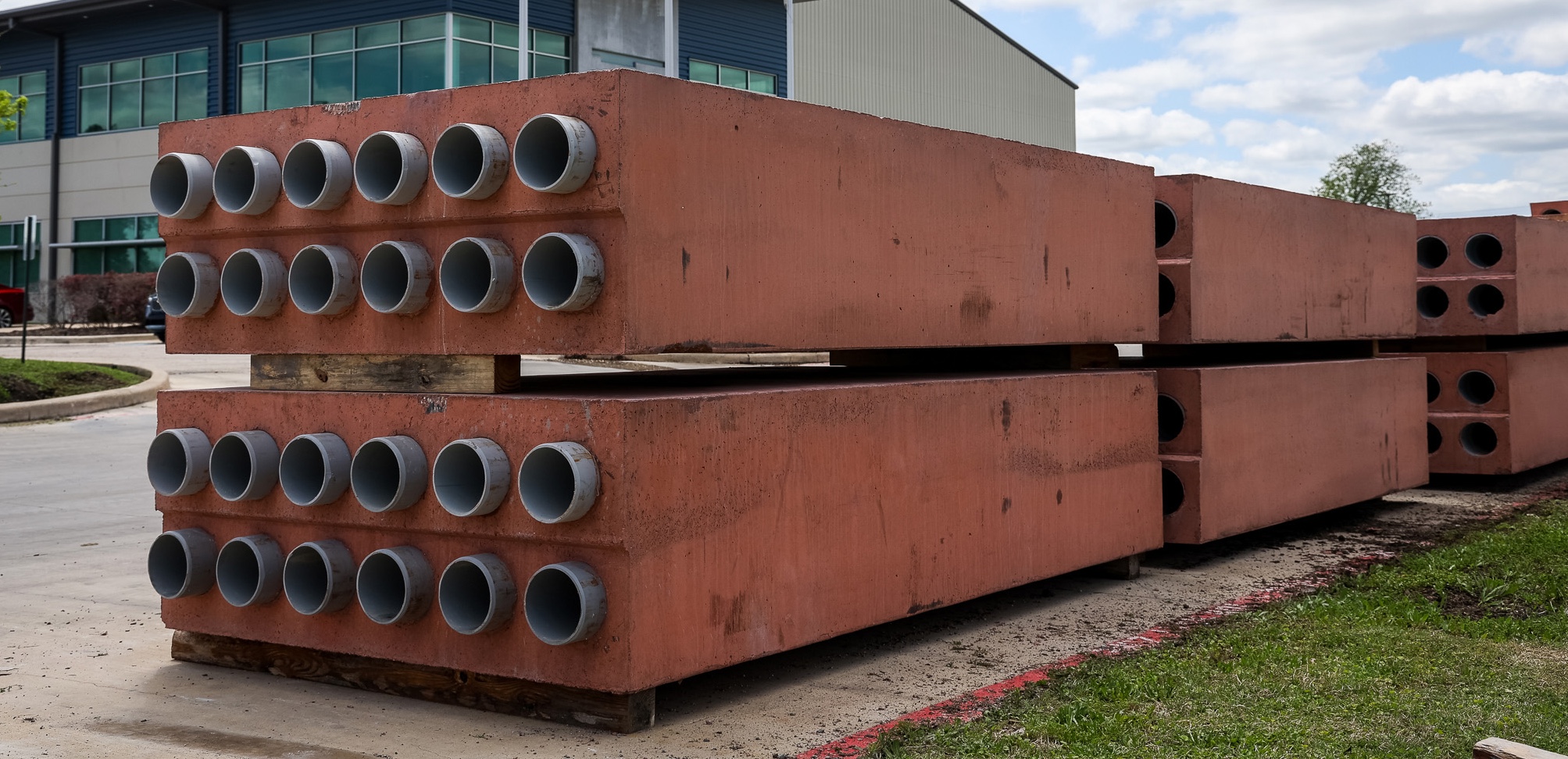
3. Precast Duct Bank System
Some companies manufacture duct bank sections in a factory. These are called precast duct banks. Workers deliver them to the construction site and install them quickly.
Precast systems improve quality control and reduce installation time.
Benefits of a Duct Bank System
A duct bank system offers many advantages for construction projects.
1. Strong Protection
Concrete encasement protects cables from impact, soil pressure, and traffic loads. It also prevents accidental damage during digging.
2. Long Service Life
Because cables stay protected, they last longer. This reduces replacement costs.
3. Easy Maintenance
Pull boxes and manholes allow easy access. Technicians can inspect and repair cables without major excavation.
4. Organized Cable Management
Engineers can separate power cables, communication lines, and fiber optics inside different conduits.
5. High Load Capacity
Concrete-encased duct banks can handle heavy loads from trucks and machinery.
6. Improved Safety
The system reduces the risk of electrical accidents, short circuits, and fires.
7. Future Expansion
Engineers can install extra empty conduits for future use. This makes upgrades easier.
Installation Process in Detail
Proper installation ensures long-term performance. Contractors follow these steps carefully.
Step 1: Planning and Design
Engineers calculate:
-
Number of conduits
-
Conduit size
-
Cable capacity
-
Heat dissipation
-
Soil conditions
-
Local building codes
Good design prevents overheating and structural problems.
Step 2: Excavation
Workers dig a trench to the required depth and width. They check alignment and level carefully.
Step 3: Base Preparation
They place sand or gravel at the bottom. This creates a stable base.
Step 4: Conduit Installation
Workers arrange conduits using spacers. They check spacing and alignment.
Step 5: Concrete Placement
They pour concrete evenly around the conduits. They make sure no air pockets remain.
Step 6: Curing
Concrete needs time to harden. Proper curing increases strength.
Step 7: Backfilling
After curing, workers backfill the trench and compact the soil.
Step 8: Cable Pulling
Finally, technicians pull cables through the conduits using special equipment.
Important Design Considerations
Engineers must consider several factors when designing a duct bank system.
1. Heat Management
Electrical cables generate heat. Engineers must provide enough spacing to prevent overheating.
2. Soil Conditions
Different soils affect stability and drainage. Engineers design the system based on soil type.
3. Load Requirements
If heavy vehicles will pass above, the duct bank must handle that load.
4. Water Protection
Engineers must seal joints properly to prevent water entry.
5. Code Compliance
Designs must follow local electrical and construction codes.
Common Problems and Solutions
Even strong systems can face issues if contractors make mistakes.
Problem 1: Water Infiltration
Solution: Proper sealing and drainage design.
Problem 2: Poor Alignment
Solution: Use quality spacers and careful installation.
Problem 3: Cracked Concrete
Solution: Use proper concrete mix and curing methods.
Problem 4: Overheating
Solution: Maintain correct conduit spacing and load calculations.
Professional installation prevents most problems.
Duct Bank System vs Direct Burial
Many people compare duct bank systems with direct burial.
Direct burial costs less at first. However, it offers limited protection. If cables fail, repairs require digging and high costs.
A duct bank system costs more initially. However, it saves money in the long term because:
-
It reduces damage risk
-
It simplifies maintenance
-
It increases lifespan
-
It supports future expansion
For large projects, a duct bank system is usually the better choice.
Applications in Modern Infrastructure
Duct bank systems support many modern developments.
Smart Cities
Smart cities need strong communication networks. Duct banks protect fiber optic cables.
Data Centers
Data centers require reliable power. Duct bank systems ensure safe cable management.
Renewable Energy Projects
Solar and wind farms use underground power distribution systems.
Transportation Infrastructure
Airports, rail systems, and highways rely on duct banks for safe power supply.
The Future of Duct Bank Systems
As cities grow, underground utilities become more important. Engineers continue to improve duct bank designs.
Modern trends include:
-
Precast concrete systems
-
Better heat management designs
-
Advanced materials
-
Sustainable construction methods
Precast duct banks are becoming popular because they save time and improve quality control.
Technology will continue to improve how we build and manage underground utility systems.
Conclusion
A duct bank system is a strong and reliable solution for underground cable protection. It protects electrical and communication cables from damage, moisture, pressure, and heavy loads.
Contractors install conduits inside concrete to create a secure pathway. This system improves safety, increases cable lifespan, and reduces maintenance costs.
Although the initial investment may be higher than direct burial, the long-term benefits make a duct bank system a smart choice for modern construction.