
You know that feeling when someone walks across the floor and the whole house hears it. It can get annoying fast. Kids running around. Chairs dragging. Even simple footsteps start to sound loud and sharp. In busy homes this becomes a daily struggle.
That is where the right flooring makes a real difference. Many people think floors are only about looks. But they also affect how your home sounds and feels. Choosing the right hardwood flooring or other materials can reduce noise and create a calmer space.
In this guide we will look at how different flooring options help control sound. You will learn what works best and what mistakes to avoid. If your home feels loud this will help you fix it in a simple way.
Why Your Floors Are Making So Much Noise
Floors play a bigger role in sound than most people think. Hard surfaces reflect sound instead of absorbing it. That is why footsteps feel louder on certain floors.
When you walk on a hard surface the sound waves bounce around the room. They hit walls ceilings and furniture. This creates that echo effect you hear. The problem gets worse in open spaces.
Another reason is the structure under your flooring. If there is no proper padding or underlayment the sound travels easily. It moves through the floor into other rooms. That is why you may hear footsteps from upstairs.
Even small gaps or poor installation can increase noise. So it is not just about the material. It is also about how it is installed.
How Hardwood Flooring Can Affect Noise Levels
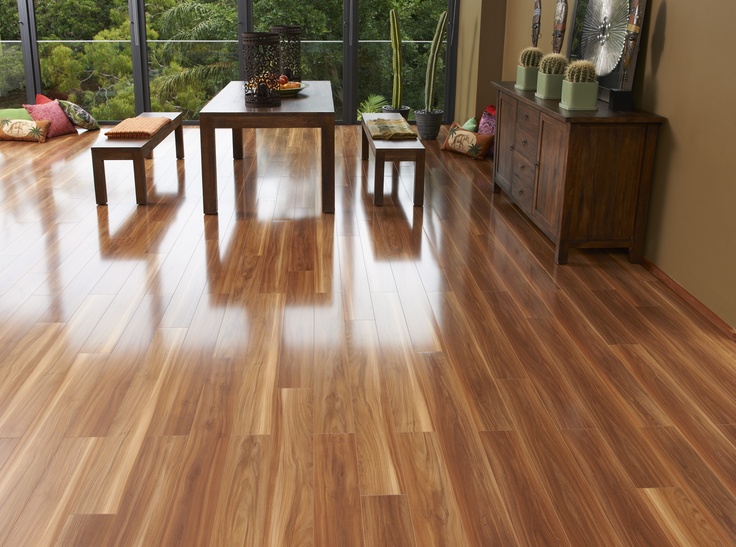
Many people love hardwood flooring because it looks clean and natural. It adds warmth to any space. But when it comes to sound it can be tricky.
Hardwood Can Be Loud Without Proper Support
Solid hardwood is a hard surface. This means it reflects sound instead of absorbing it. Footsteps can sound sharp especially in quiet rooms. High heels or pets running can make it worse.
If installed directly on a hard subfloor the noise increases. Without padding there is nothing to absorb the impact. This is why some homes feel louder after switching to hardwood.
Ways to Make Hardwood Flooring Quieter
The good news is you can still use hardwood and reduce noise. Adding an underlayment layer helps a lot. It absorbs impact and reduces echo.
Area rugs also make a big difference. They break up sound and soften footsteps. Even simple runners in hallways can reduce noise.
Using felt pads under furniture helps too. Small changes like this can improve the overall sound in your home.
Smart Flooring Choices That Naturally Reduce Sound
Not all flooring behaves the same. Some materials are better at absorbing sound. Choosing the right one can make your home feel calmer.
Vinyl Plank Flooring for Quiet Living
Vinyl Plank Flooring is a popular option for busy homes. It has a softer surface compared to hardwood. This helps reduce the sound of footsteps.
Many vinyl planks come with built in padding. This adds an extra layer of noise control. It also feels more comfortable under your feet.
Another advantage is that it works well in different rooms. From living areas to bedrooms it provides a quiet and smooth experience.
Carpet and Soft Materials
Carpet is one of the best materials for sound absorption. It traps sound and prevents it from bouncing around. That is why rooms with carpet feel quieter.
Even adding a large rug can help. It does not have to cover the whole floor. Strategic placement works well.
Cork and Rubber Options
Cork flooring is naturally soft and flexible. It absorbs impact and reduces noise effectively. It also feels warm underfoot.
Rubber flooring is another option. It is often used in gyms but works well in play areas. It reduces noise from movement and impact.
Common Mistakes That Make Floors Louder
Sometimes people choose good flooring but still face noise issues. This often happens because of small mistakes during planning or installation.
One common mistake is skipping underlayment. Many think it is optional. But it plays a key role in reducing sound. Without it noise travels easily.
Another mistake is choosing the wrong material for busy areas. Hard surfaces in high traffic zones increase noise. It is better to mix materials or add rugs.
Poor installation also causes problems. Gaps or loose boards create extra sound. This leads to creaking and movement noise.
Ignoring furniture protection is another issue. Chairs and tables can scratch and create sound. Simple pads can fix this quickly.
Practical Ways to Make Any Floor Quieter
Even if you already have flooring installed you can still reduce noise. You do not always need a full replacement.
Add Layers That Absorb Sound
Start with rugs and mats. Place them in areas with high movement. Living rooms hallways and bedrooms benefit the most.
Use thick rug pads under carpets. This adds extra cushioning. It reduces impact noise and improves comfort.
Improve the Base Structure
If possible check your underlayment. Upgrading it can reduce sound significantly. It acts as a barrier between the floor and subfloor.
Sealing gaps also helps. Small openings allow sound to travel. Fixing them improves both noise and durability.
Use Soft Touch Solutions
Furniture pads are simple but effective. They reduce scraping sounds. They also protect your flooring.
Curtains and wall hangings help too. They absorb sound and reduce echo. This improves the overall feel of the room.
Comparing Flooring Options for Busy Homes
Choosing the right flooring depends on your needs. Each option has its pros and limits.
Hardwood looks premium and lasts long. But it needs support to reduce noise. Without it it can feel loud.
Vinyl Plank Flooring offers a balance. It looks good and reduces noise better than hardwood. It is also easier to maintain.
Carpet is the quietest option. But it may not suit every space. Some people prefer a cleaner look.
Cork and rubber provide strong sound control. They are ideal for specific areas like playrooms or home gyms.
The best approach is often a mix. Use different materials based on room usage. This creates both comfort and style.
Expert Tips for a Peaceful Home Environment
Creating a quiet home is not just about flooring. It is about combining the right elements.
Start by thinking about your daily activities. Where do people walk the most. Where does noise bother you the most. Focus on those areas first.
Choose flooring with sound in mind. Do not only look at design. Think about how it will feel and sound in daily use.
Layer your space. Use rugs curtains and soft furniture. These elements work together to reduce noise.
Maintain your floors properly. Loose boards and damage increase noise. Regular care keeps everything stable.
Final Thoughts
A quiet home feels more relaxing. It helps you focus and rest better. Flooring plays a big role in this.
Whether you choose hardwood flooring or Vinyl Plank Flooring the key is balance. Combine good materials with smart installation.
Small changes can make a big difference. You do not always need a full renovation. Simple upgrades can improve your space.
Think about comfort sound and style together. That is how you create a home that feels peaceful and welcoming.
FAQs
Does hardwood flooring always make noise
Not always. With proper underlayment and rugs hardwood can be much quieter.
Is Vinyl Plank Flooring better for sound
Yes it usually reduces noise better than hardwood because of its softer surface.
Can I reduce noise without changing my floor
Yes. Adding rugs pads and sealing gaps can help a lot.
What is the quietest flooring option
Carpet is the quietest. It absorbs sound and reduces echo.
Do rugs really make a difference
Yes. Rugs break up sound and soften footsteps which reduces overall noise.