
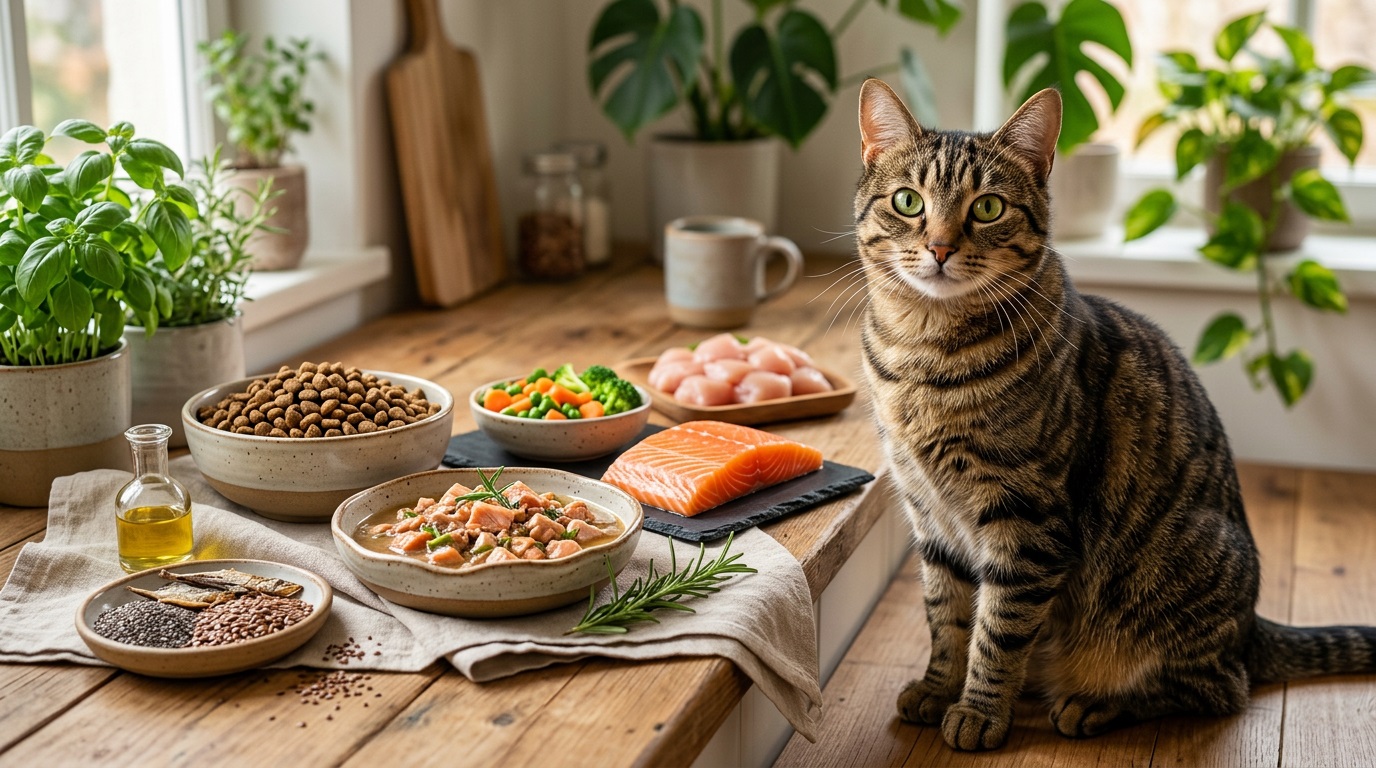
Cats are beloved companions in millions of American homes. From playful kittens to calm senior cats, every stage of a cat’s life depends on proper nutrition. One of the most important decisions a pet parent makes is choosing the right cat food. The right diet supports strong immunity, healthy skin, shiny fur, and long-term well-being.
However, with so many options available in the United States—dry kibble, wet meals, grain-free formulas, and specialty diets—it can feel overwhelming to decide what truly qualifies as healthy food for cats. Additionally, many cats suffer from sensitivities, making it important to understand how cat food for allergies works.
This guide explains everything you need to know about choosing high-quality cat food, understanding ingredients, and finding the best options for your feline friend.
Why Choosing the Right Cat Food Matters
Cats are obligate carnivores, meaning their bodies are designed to thrive on animal-based protein. Unlike humans or even dogs, cats require nutrients that only animal ingredients can provide.
A well-balanced diet supports:
- Strong muscles
- Healthy digestion
- Immune system strength
- Healthy skin and coat
- Stable energy levels
When pet owners choose poor-quality cat food, cats may experience issues like obesity, digestive problems, or dull coats. Over time, nutritional deficiencies can also affect overall health.
High-quality food for cats contains balanced protein, healthy fats, essential vitamins, and minerals that support long-term wellness.
Understanding the Nutritional Needs of Cats
Before selecting the best cat food, it’s important to understand what nutrients cats actually require.
1. High Animal Protein
Protein is the foundation of healthy cat nutrition. Cats rely on protein for:
- Muscle development
- Energy
- Tissue repair
Common protein sources in premium cat food include:
- Chicken
- Turkey
- Salmon
- Tuna
- Lamb
A good rule is to look for real meat listed as the first ingredient.
2. Healthy Fats
Fats provide energy and help maintain healthy skin and coats. Omega-3 and Omega-6 fatty acids are particularly beneficial.
Benefits include:
- Shiny coat
- Reduced inflammation
- Brain support
Fish-based food for cats often contains beneficial fatty acids.
3. Essential Amino Acids
Cats require taurine, an amino acid that supports heart health, vision, and reproduction.
Unlike some animals, cats cannot produce taurine themselves. Therefore, quality cat food must contain adequate taurine levels.
4. Vitamins and Minerals
Balanced nutrition requires vitamins such as:
- Vitamin A
- Vitamin D
- Vitamin E
- Calcium
- Phosphorus
These nutrients support bone health, immunity, and metabolic function.
Types of Cat Food Available
Understanding the different types of cat food can help you choose the right option for your pet.
Dry Cat Food (Kibble)
Dry food is one of the most popular choices among American cat owners.
Advantages:
- Long shelf life
- Convenient storage
- Budget-friendly
- Supports dental health through chewing
However, some dry formulas contain fillers. It is important to choose high-protein dry food for cats that includes real meat.
Wet Cat Food
Wet food contains higher moisture levels, which helps support hydration.
Benefits include:
- Easier digestion
- Better hydration
- Often more palatable for picky cats
Many veterinarians recommend combining wet and dry cat food for balanced nutrition.
Grain-Free Cat Food
Some pet parents choose grain-free formulas when their cats show signs of food sensitivity.
These formulas typically replace grains with ingredients such as:
- Sweet potatoes
- Peas
- Lentils
While grain-free diets can help some cats, they should only be chosen when appropriate for your cat’s health needs.
Limited Ingredient Diets
Limited ingredient formulas are often recommended as cat food for allergies.
These diets typically include:
- One primary protein source
- Minimal ingredients
- No artificial additives
They help reduce the risk of allergic reactions.
Signs Your Cat May Have Food Allergies
Food allergies are not uncommon in cats. Certain ingredients can trigger immune reactions that lead to uncomfortable symptoms.
Common signs include:
- Excessive itching
- Skin redness
- Hair loss
- Vomiting
- Diarrhea
- Ear infections
When these symptoms appear, switching to specialized cat food for allergies may help.
Best Ingredients for Cat Food for Allergies
If your cat struggles with food sensitivities, look for these features in allergy-friendly diets.
Novel Protein Sources
Proteins such as:
- Duck
- Venison
- Rabbit
- Salmon
These ingredients are less likely to trigger allergic reactions compared to common proteins like chicken or beef.
Grain-Free Formulas
Some cats react to grains such as wheat or corn. Grain-free food for cats may help reduce digestive issues.
Limited Ingredients
Fewer ingredients mean fewer potential allergens.
High-quality allergy-friendly cat food focuses on simple, easy-to-digest components.
How to Transition to a New Cat Food
Switching diets too quickly can upset your cat’s stomach. A gradual transition works best.
Follow this simple plan:
Day 1–2:
75% old food + 25% new food
Day 3–4:
50% old food + 50% new food
Day 5–6:
25% old food + 75% new food
Day 7:
100% new cat food
This slow transition allows your cat’s digestive system to adapt.
Feeding Guidelines for Cats
Proper portion control is just as important as selecting quality food for cats.
Kittens
Kittens need more calories and protein to support growth.
Feed:
- 3–4 small meals daily
Adult Cats
Most adult cats thrive on two meals per day.
Portions depend on:
- Weight
- Activity level
- Metabolism
Senior Cats
Older cats may require specialized cat food designed for joint health and digestion.
These diets often contain:
- Lower calories
- Added joint support nutrients
- Easily digestible proteins
Common Ingredients to Avoid in Cat Food
Not all cat food products offer equal quality. Some ingredients should be avoided.
Artificial Preservatives
Examples include:
- BHA
- BHT
- Ethoxyquin
These additives may have negative long-term effects.
Excess Fillers
Low-quality food for cats often contains fillers like:
- Corn gluten
- Wheat middlings
- Soy by-products
These ingredients provide limited nutritional value.
Artificial Colors and Flavors
Cats do not need artificial colors in their diet. These additives only serve marketing purposes.
Trends in Cat Nutrition in the USA
The American pet food market is evolving rapidly as pet owners demand healthier and more transparent options.
Some growing trends include:
Human-Grade Ingredients
More brands now offer cat food made with ingredients that meet human food safety standards.
Natural and Organic Diets
Pet parents increasingly choose natural food for cats without artificial preservatives.
Functional Nutrition
Specialized diets are gaining popularity, including formulas for:
- Weight management
- Sensitive stomachs
- Cat food for allergies
- Urinary health
Sustainable Pet Food
Eco-friendly sourcing and sustainable ingredients are becoming major trends in the pet industry.
Tips for Choosing the Best Cat Food
Choosing the right food becomes easier when you focus on a few key factors.
Look for:
- Real meat as the first ingredient
- High protein content
- No artificial preservatives
- Balanced vitamins and minerals
- Positive veterinary recommendations
Additionally, consider your cat’s age, activity level, and health conditions.
The Role of Hydration in Cat Nutrition
Cats naturally have a low thirst drive because their ancestors obtained moisture from prey.
This means hydration is extremely important.
Ways to support hydration:
- Offer wet cat food regularly
- Provide fresh water daily
- Use water fountains to encourage drinking
Proper hydration supports kidney health and digestion.
Monitoring Your Cat’s Health Through Diet
The right food for cats produces visible health benefits.
Signs your cat is thriving include:
- Shiny coat
- Healthy weight
- Bright eyes
- Regular digestion
- High energy levels
If your cat shows changes in appetite, coat condition, or behavior, it may be time to reassess their diet.
FAQs
1. What is the healthiest cat food option?
The healthiest cat food contains high-quality animal protein, essential nutrients, and minimal fillers. Look for products where real meat is the primary ingredient.
2. How do I know if my cat has food allergies?
Signs include itching, digestive upset, skin irritation, or hair loss. Switching to cat food for allergies with limited ingredients can help identify triggers.
3. Is dry or wet cat food better?
Both options can be healthy. Dry food for cats is convenient and supports dental health, while wet food helps with hydration. Many vets recommend feeding a mix of both.
4. How often should I feed my cat?
Most adult cats do well with two meals per day. Kittens require more frequent feeding, while senior cats may need specialized diets.
5. Can cats eat homemade food instead of commercial cat food?
Homemade diets can work if properly balanced, but they require careful planning. Most veterinarians recommend high-quality commercial cat food to ensure complete nutrition.
Final Thoughts
Choosing the right cat food is one of the most important ways to support your cat’s health and happiness. With so many options available, focusing on high-quality ingredients, balanced nutrition, and your cat’s specific needs makes the process easier.
Whether you are selecting everyday food for cats or searching for specialized cat food for allergies, a thoughtful approach to nutrition can make a significant difference in your pet’s life. A well-fed cat enjoys better energy, healthier skin, and a longer, more comfortable life.
By investing time in understanding your cat’s dietary needs, you ensure they receive the nourishment they deserve every single day.
Read more: Should You Worry About A Dead Tooth in Your Pet? All You Need To Know