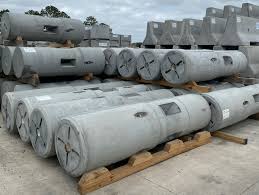
Precast Light Pole Base Foundation for Outdoor Lighting
Outdoor lighting plays an important role in our daily lives. We see light poles on streets, highways, parking lots, parks, school campuses, shopping centers, and industrial areas. These light poles improve safety, increase visibility, and help prevent accidents and crime. However, every strong light pole needs a solid foundation. That foundation is called a precast light pole base.
A precast light pole base provides strength, stability, and long-term support for lighting systems. Contractors use it because it saves time, improves quality, and ensures safety. In this blog, we will explain everything about precast light pole bases in easy and simple English. We will discuss what they are, how they work, their benefits, types, installation steps, design considerations, applications, and why they are a smart choice for modern construction projects.
What Is a Precast Light Pole Base?
A precast light pole base is a concrete foundation that manufacturers produce in a factory and deliver to the job site ready for installation. Workers use this base to support light poles securely in the ground.
Instead of pouring concrete at the site and waiting for it to dry, contractors install a precast base that is already strong and cured. This method reduces construction time and improves consistency.
The base includes anchor bolts that hold the light pole firmly in place. It transfers the weight of the pole and the force of wind into the soil safely.
Why Is a Precast Light Pole Base Important?
Light poles face many forces every day. Wind pushes against the pole. Heavy storms create strong pressure. Vehicles create vibration near roadways. Soil can shift over time. All these factors can affect stability.
If the foundation is weak, the pole can lean, crack, or even fall. This creates serious safety risks for pedestrians and drivers.
A precast light pole base solves these problems by providing:
Strong structural support
Long-term durability
Fast installation
High load capacity
Reliable performance
Engineers design each base to match specific pole height, wind conditions, and soil type.
How Does a Precast Light Pole Base Work?
A precast light pole base works by anchoring the pole securely to the ground.
Here is how the system works step by step:
Workers place the base inside a prepared hole in the ground.
The base rests on a stable gravel or compacted soil foundation.
Anchor bolts extend from the top surface of the base.
Workers mount the light pole over the anchor bolts.
They secure the pole using nuts and washers.
The base transfers weight and wind forces into the surrounding soil.
The reinforced concrete structure resists cracking and movement. It keeps the pole stable for many years.
Main Components of a Precast Light Pole Base
A precast light pole base includes several important components.
1. Reinforced Concrete Body
The main structure consists of high-strength concrete reinforced with steel bars. The steel reinforcement increases strength and helps the base resist heavy loads and wind pressure.
2. Anchor Bolts
Manufacturers embed anchor bolts into the concrete during production. These bolts connect the light pole to the base securely.
3. Conduit Openings
The base includes openings for electrical conduits. These openings allow underground wires to pass into the light pole.
4. Level Top Surface
The top surface remains smooth and level. This ensures proper pole alignment during installation.
Types of Precast Light Pole Bases
Different projects require different base designs. Manufacturers produce several types to meet various needs.
Standard Precast Light Pole Base
Contractors use this type for regular streetlights and parking lot lighting. It supports medium-height poles.
Heavy-Duty Precast Base
Engineers design heavy-duty bases for tall poles or areas with strong wind conditions. Sports field lighting often requires this type.
Decorative Precast Base
Some projects require decorative finishes for aesthetic purposes. Parks and campuses often use decorative bases.
Custom Precast Base
Manufacturers can produce custom sizes and bolt patterns to match special lighting systems.
Benefits of Using a Precast Light Pole Base
Precast light pole bases offer many advantages over traditional cast-in-place concrete foundations.
1. Faster Installation
Workers install precast bases quickly. They do not need to build formwork or wait for concrete to cure. This speeds up project completion.
2. High Quality Control
Factories produce precast bases under controlled conditions. This ensures consistent strength and durability.
3. Reduced Labor Costs
Precast installation requires fewer workers compared to site-poured concrete.
4. Weather Resistance
Rain or cold weather can delay cast-in-place concrete work. Precast production continues regardless of weather.
5. Strong and Durable Performance
Reinforced concrete resists moisture, corrosion, and environmental stress.
6. Improved Safety
A stable base prevents pole movement and reduces accident risks.
7. Long Service Life
Precast light pole bases can last decades with minimal maintenance.
Installation Process of a Precast Light Pole Base
Proper installation ensures strong and reliable performance.
Step 1: Marking the Location
Workers mark the exact pole location based on design plans.
Step 2: Excavation
They dig a hole to the required depth and width.
Step 3: Base Preparation
They place compacted gravel at the bottom of the hole. This creates a stable foundation.
Step 4: Placing the Precast Base
Workers lower the precast base into the hole using lifting equipment.
Step 5: Alignment and Leveling
They check the base for proper alignment and level positioning.
Step 6: Connecting Electrical Conduits
Workers connect underground conduits to the base openings.
Step 7: Backfilling
They backfill soil around the base and compact it properly.
Step 8: Installing the Light Pole
Finally, workers mount the light pole onto the anchor bolts and tighten the nuts securely.
This entire process moves much faster than traditional concrete pouring.
Important Design Considerations
Engineers must consider several factors when choosing a precast light pole base.
Wind Load Requirements
The base must support wind forces based on local weather conditions.
Pole Height and Weight
Taller and heavier poles require deeper and stronger foundations.
Soil Conditions
Engineers study soil type to determine proper base size and depth.
Electrical Layout
The base must provide correct conduit openings for wiring.
Local Building Codes
Designs must follow safety and construction regulations.
Applications of Precast Light Pole Bases
Precast light pole bases serve many types of projects.
Street and Highway Lighting
Cities use them to support roadway lighting systems.
Parking Lots
Shopping centers and office buildings use them to improve nighttime visibility.
Sports Fields
Stadiums and athletic facilities require strong foundations for tall light poles.
Industrial Sites
Factories and warehouses use outdoor lighting for safety and security.
Parks and Campuses
Decorative lighting enhances appearance and safety.
Precast Light Pole Base vs Cast-in-Place Foundation
Here is a comparison between the two methods:
Feature
Precast Light Pole Base
Cast-in-Place Concrete
Installation Time
Fast
Slower
On-Site Work
Minimal
Extensive
Weather Delays
Low
High
Quality Control
Factory controlled
Depends on site
Labor Requirement
Lower
Higher
Curing Time
None on site
Required
Precast solutions provide better efficiency and consistent results.
Maintenance and Inspection
Precast light pole bases require minimal maintenance, but regular inspections are important.
Inspect for cracks
Check anchor bolts for corrosion
Ensure pole alignment remains correct
Repair damage immediately
Routine inspections extend the life of the lighting system.
Why Contractors Choose Precast Light Pole Bases
Contractors prefer precast light pole bases because they:
Save construction time
Improve scheduling
Provide consistent quality
Reduce project delays
Increase safety
Developers benefit because faster installation allows earlier project completion and lower overall costs.
The Future of Precast Light Pole Bases
Modern cities continue to expand. Smart lighting systems, LED technology, and solar-powered poles require reliable foundations.
Precast light pole bases will continue to support:
Smart city lighting
Energy-efficient systems
Electric vehicle charging areas
Renewable energy projects
Manufacturers continue to improve designs with stronger materials and better engineering.
Conclusion
A precast light pole base provides a strong and dependable foundation for outdoor lighting systems. It supports light poles safely and ensures long-term stability.
Precast production improves quality control, reduces labor costs, and speeds up installation. Contractors use these bases in streets, parking lots, sports facilities, industrial areas, and commercial properties.
With proper design and installation, a precast light pole base delivers durable performance for many years. If you want a safe, efficient, and long-lasting foundation for your lighting project, a precast light pole base is a smart and reliable choice for modern construction.