
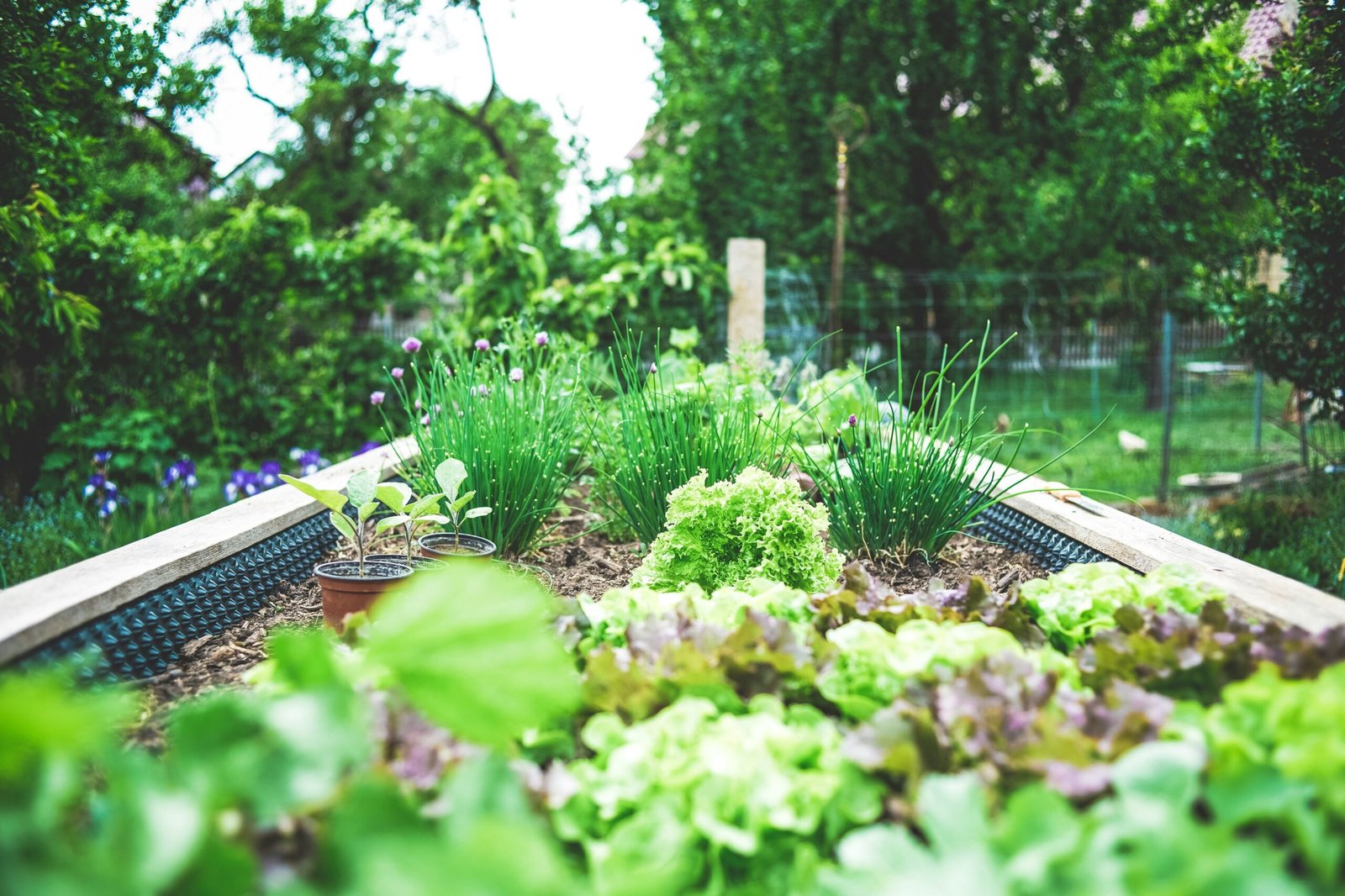
A beautiful garden does not have to require constant watering, intensive pruning, or frequent chemical treatments. With thoughtful plant selection, healthy soil, and regular maintenance, homeowners can create outdoor spaces that look attractive while supporting local wildlife and reducing unnecessary gardening work.
Sustainable gardening focuses on working with the natural conditions of a property rather than trying to control every aspect of the landscape. This means choosing plants suited to the local climate, improving soil health, managing invasive species responsibly, and maintaining gardens according to their actual needs.
Whether you are refreshing an established garden or planning a new landscape, a few practical strategies can help create a healthier and more manageable outdoor space.
1. Choose Plants That Suit Your Growing Conditions
One of the most important steps in sustainable gardening is selecting plants that are suited to the location where they will grow. Factors such as sunlight, soil type, drainage, moisture, and winter temperatures all influence plant health.
Before purchasing new plants, observe the conditions in different parts of your garden. A sunny, dry border may require different plants from a shaded area with consistently moist soil.
Understand Plant Hardiness Zones
Plant hardiness zones help gardeners assess whether plants are likely to survive the winter conditions in a particular region. However, a hardiness zone is only one part of the decision. Soil conditions, exposure to wind, available moisture, and seasonal temperature fluctuations also matter.
Choose plants according to their hardiness requirements and the specific conditions of your property. This can reduce the need to replace plants that struggle to survive.
Consider Native Plants
Native plants can be valuable additions to a sustainable garden because they are naturally associated with the ecosystems in which they evolved. Depending on the species and location, they can provide food or habitat for pollinators, birds, and other wildlife.
The Canadian Museum of Nature’s guide to creating a native-plant garden explains how gardeners can incorporate native trees, shrubs, and other plants into different landscape designs.
Native plants still need suitable soil preparation and care while becoming established. Selecting species that match the site’s growing conditions is essential for long-term success.
2. Improve Soil Health Before Adding More Plants
Healthy soil supports root development, helps regulate moisture, and provides the conditions plants need to grow. Before adding fertilizers or replacing struggling plants, take time to understand the soil in your garden.
Some areas may have compacted soil, poor drainage, or limited organic matter. Others may already have conditions suitable for the plants growing there.
Use Mulch to Support Garden Beds
Mulch can help reduce moisture loss from the soil surface, suppress some weeds, and moderate soil temperature fluctuations. Organic materials such as suitable wood chips, shredded leaves, or compost can also contribute organic matter as they break down.
Apply mulch according to the needs of the planting area and avoid piling it directly against tree trunks or plant stems. Too much mulch can create moisture and airflow problems around plant bases.
Match Soil Improvements to Plant Needs
Adding more compost or fertilizer is not always the right solution. Some plants thrive in relatively lean soils, while others benefit from additional organic matter.
If plants repeatedly struggle, investigate drainage, sunlight, soil conditions, and plant suitability before applying amendments. Targeted improvements are often more useful than treating every garden bed in the same way.
3. Make Garden Maintenance More Effective
Regular maintenance helps identify problems before they become more difficult to manage. However, sustainable gardening is not about carrying out every task as frequently as possible. It is about performing the right work at the appropriate time.
A practical garden maintenance routine may include watering, weeding, checking plant health, pruning when necessary, and replenishing mulch.
Water According to Plant Requirements
Different plants have different moisture needs. Newly planted shrubs and perennials generally need closer monitoring while their roots become established, whereas established plants suited to the site may require less supplemental watering.
Check soil moisture before watering instead of relying entirely on a fixed schedule. Watering deeply when appropriate can encourage roots to grow into the soil, while avoiding unnecessary watering can conserve water and help prevent waterlogged conditions.
Prune With a Clear Purpose
Pruning can remove dead or damaged growth, maintain a plant’s structure, and support healthy development. However, pruning requirements vary by plant species and growth habit.
Learn when a particular shrub or tree should be pruned before cutting it back. Pruning at the wrong time can remove developing flower buds or interfere with the plant’s natural growth pattern.
For established gardens that need more than occasional upkeep, professional garden maintenance and health pruning services</a> can help homeowners address watering, weeding, soil conditioning, planting, and seasonal cleanup according to their garden’s needs.
4. Manage Invasive Plants Responsibly
Invasive plants can spread beyond cultivated areas and threaten natural habitats. Some species spread through seeds, while others can regenerate from roots or plant fragments.
The first step in managing a suspected invasive plant is to identify it correctly. A plant that looks unfamiliar or grows aggressively is not necessarily invasive, and removal methods vary by species.
The Government of Canada’s Canadian Food Inspection Agency provides guidance on preventing the spread of invasive species, including checking gardening tools and researching plants before purchasing seeds or other plant material.
When removing invasive plants, follow recommendations for the identified species and local disposal requirements. Do not assume that every invasive plant can safely be placed in a backyard compost pile.
Replacing removed plants with suitable non-invasive species can also help prevent bare soil from becoming an opportunity for further unwanted growth.
5. Create a Garden That Supports Local Wildlife
A sustainable garden can serve more than an ornamental purpose. With appropriate plant choices and varied vegetation, it can provide resources for birds, pollinators, and other wildlife.
Consider incorporating a mixture of flowering perennials, shrubs, trees, and ground-cover plants where space and growing conditions allow.
Different plants offer different benefits throughout the year. Some provide flowers for pollinators, while others offer berries, seeds, shelter, or nesting opportunities.
Where appropriate, native plant groupings can help connect a garden with the surrounding landscape. Shoreline properties may also benefit from suitable native vegetation that helps stabilize soil and supports habitat, although species selection should reflect local environmental conditions.
Avoid assuming that every garden needs to look perfectly uniform. A well-planned landscape can balance attractive planting with areas that provide shelter and food for wildlife.
6. Plan Seasonal Gardening Tasks
Gardens change throughout the year, so maintenance should change with them.
Spring: Inspect plants for winter damage, remove appropriate debris, assess soil conditions, and prepare beds for planting.
Summer: Monitor soil moisture, manage weeds before they spread, check for signs of plant stress, and prune only when appropriate for the species.
Autumn: Prepare sensitive plants for winter, collect suitable fallen leaves for mulch or compost, and address invasive plants according to recommended management practices.
Winter: Review garden plans, research suitable plant varieties, and prepare for spring projects.
The timing of these tasks depends on local weather, plant species, and site conditions. Seasonal planning makes it easier to spread gardening work throughout the year instead of allowing small maintenance needs to accumulate.
7. Consider Professional Help for Complex Garden Projects
Some garden projects require more planning than routine weeding or pruning. Examples include redesigning several garden beds, selecting plants for challenging soil conditions, restoring naturalized areas, or improving vegetation along a shoreline.
A gardening professional can help assess site conditions, identify suitable plant material, and develop a maintenance plan that reflects the homeowner’s priorities.
For property owners in the Kawartha Lakes area of Ontario, Roots to Blooms Gardening Service offers customized gardening services, including planting, transplanting, soil conditioning, seasonal cleanup, low-maintenance garden planning, and naturalization and restoration projects.
The goal is to choose an approach that suits the property rather than applying the same maintenance routine to every garden.
Build a Healthier Garden With a Sustainable Approach
Sustainable gardening begins with understanding the conditions in which plants grow. By choosing suitable plants, improving soil where needed, managing water carefully, pruning appropriately, and preventing the spread of invasive species, homeowners can create gardens that are attractive and easier to maintain.
The most effective plan is one that considers the whole landscape, including soil, climate, wildlife, and the time available for ongoing care.
Start with a few practical improvements, observe how your plants respond, and adjust your maintenance routine as needed. With thoughtful planning, a garden can become a more resilient and enjoyable part of your outdoor space.